October 1, 2026
A functioning air conditioning system is essential for maintaining a comfortable indoor environment, especially during the hot summer months. When cooling equipment develops problems, understanding what happens during a professional AC repair appointment can help homeowners prepare for the service visit. From initial troubleshooting to final performance testing, technicians follow several steps to identify problems and restore reliable operation. Knowing what to expect also helps homeowners ask informed questions, understand repair estimates, and make appropriate maintenance decisions.
Scheduling an Appointment and Preparing for the Visit
Scheduling an appointment is the first step toward resolving cooling problems. When contacting an HVAC company, homeowners should describe any unusual noises, inconsistent temperatures, weak airflow, or unexpected increases in energy bills. Providing this information allows technicians to anticipate potential problems and prepare appropriate diagnostic equipment.
Before the appointment, homeowners should clear access to the indoor and outdoor units, secure pets, and locate previous maintenance records. These preparations can help technicians complete their inspections more efficiently. Homeowners should also confirm the appointment time, service fees, and availability of emergency appointments when immediate assistance is necessary. They should ask whether diagnostic fees apply toward the final repair cost and confirm accepted payment methods before the technician arrives.
Discussing Cooling Problems and System Performance
When technicians arrive, they typically begin by discussing the symptoms homeowners have experienced. Questions may address when the problem started, whether the system produces unusual sounds, and how consistently it maintains the desired temperature. Technicians may also ask about previous repairs and the age of the equipment.
This conversation helps narrow down potential causes before the physical inspection begins. Homeowners should mention intermittent problems, even when the equipment appears to operate normally during the appointment. Providing detailed information can help technicians identify issues that might otherwise be difficult to reproduce.
Conducting a Visual Inspection and Initial Diagnosis
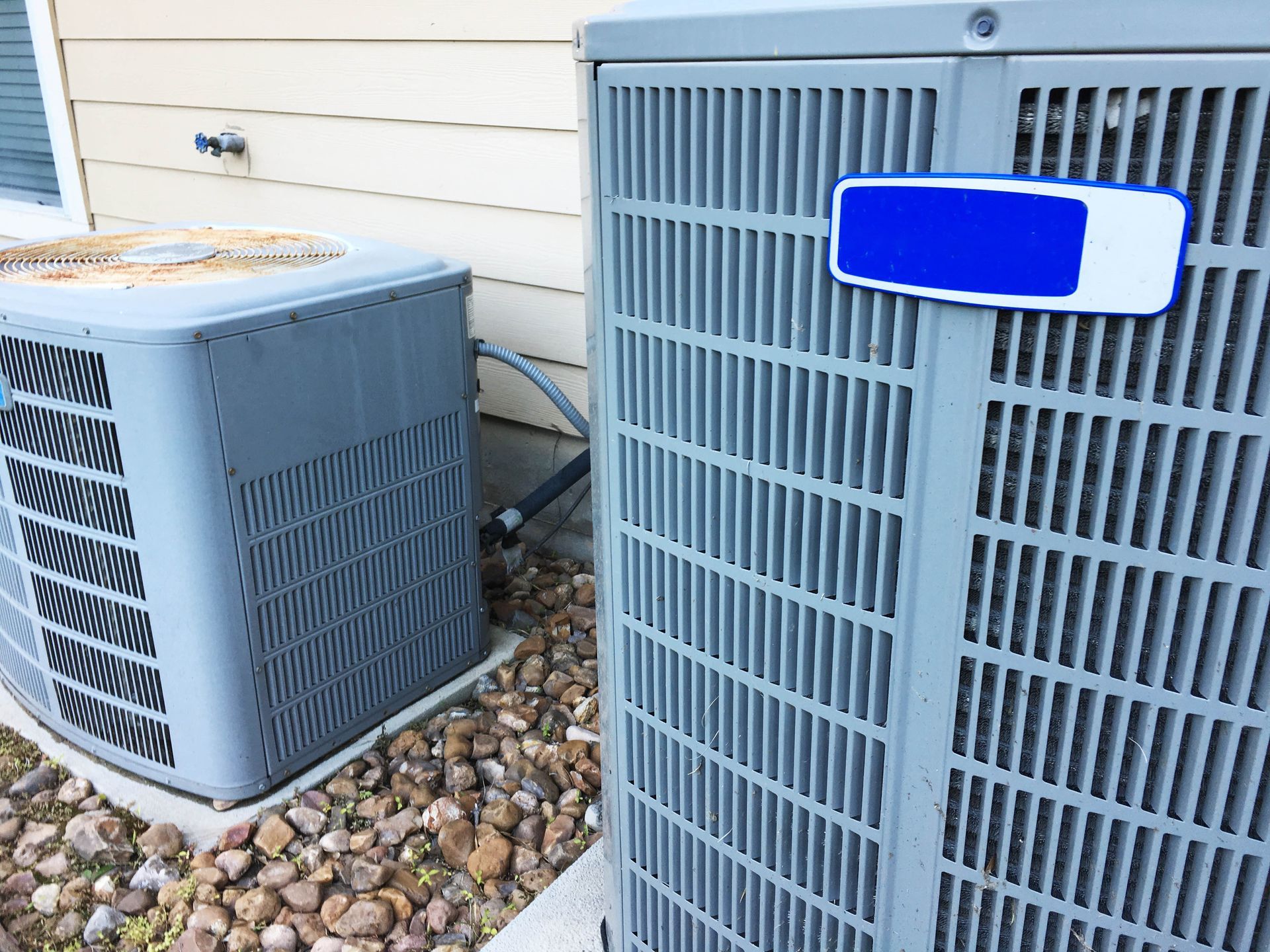
A professional AC repair appointment generally includes a visual examination of accessible system components. Technicians inspect the indoor and outdoor equipment for visible damage, corrosion, refrigerant leaks, loose connections, and accumulated debris. They may also examine the condensate drain and surrounding areas for signs of moisture problems. Photographs of visible damage or previous leaks can provide additional context and help technicians track changes in the equipment's condition over time.
According to the U.S. Department of Energy, central air conditioners typically last approximately 15 to 20 years. Regular inspections and appropriate maintenance can help homeowners identify developing problems and protect their investment. However, the actual lifespan depends on equipment quality, operating conditions, maintenance history, and installation practices.
Testing Electrical Components and Thermostat Operation
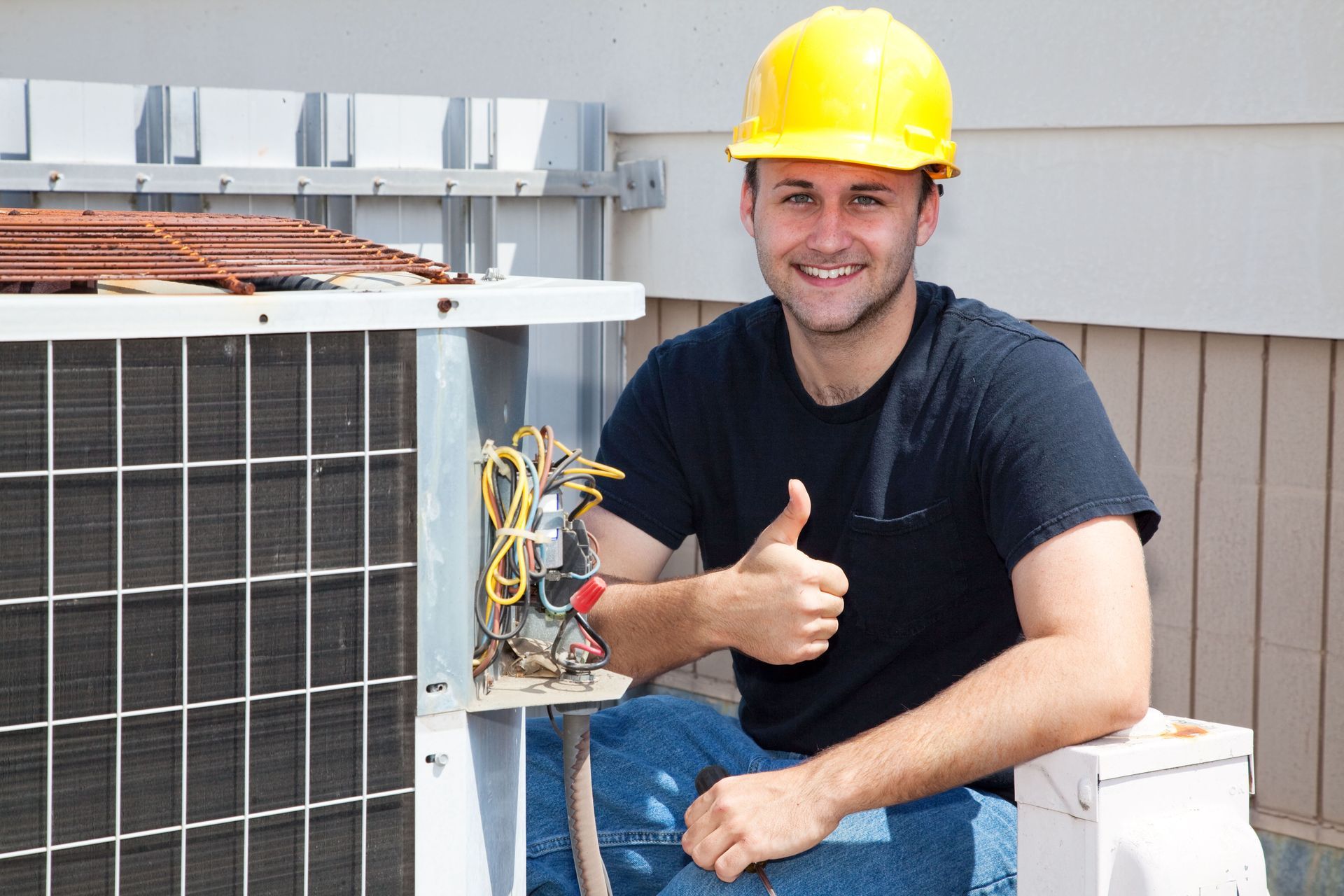
Electrical problems can prevent cooling equipment from starting, cause unexpected shutdowns, or interfere with normal operation. Technicians may inspect capacitors, contactors, wiring, and electrical connections while following appropriate safety procedures. Specialized instruments help them evaluate electrical performance and identify components requiring attention.
The thermostat also receives attention during the diagnostic process. Technicians verify its settings, temperature readings, and communication with the cooling equipment. A malfunctioning thermostat can produce symptoms resembling more complicated mechanical problems. Identifying these issues early may prevent unnecessary component replacements.
Evaluating Airflow and Refrigerant Levels
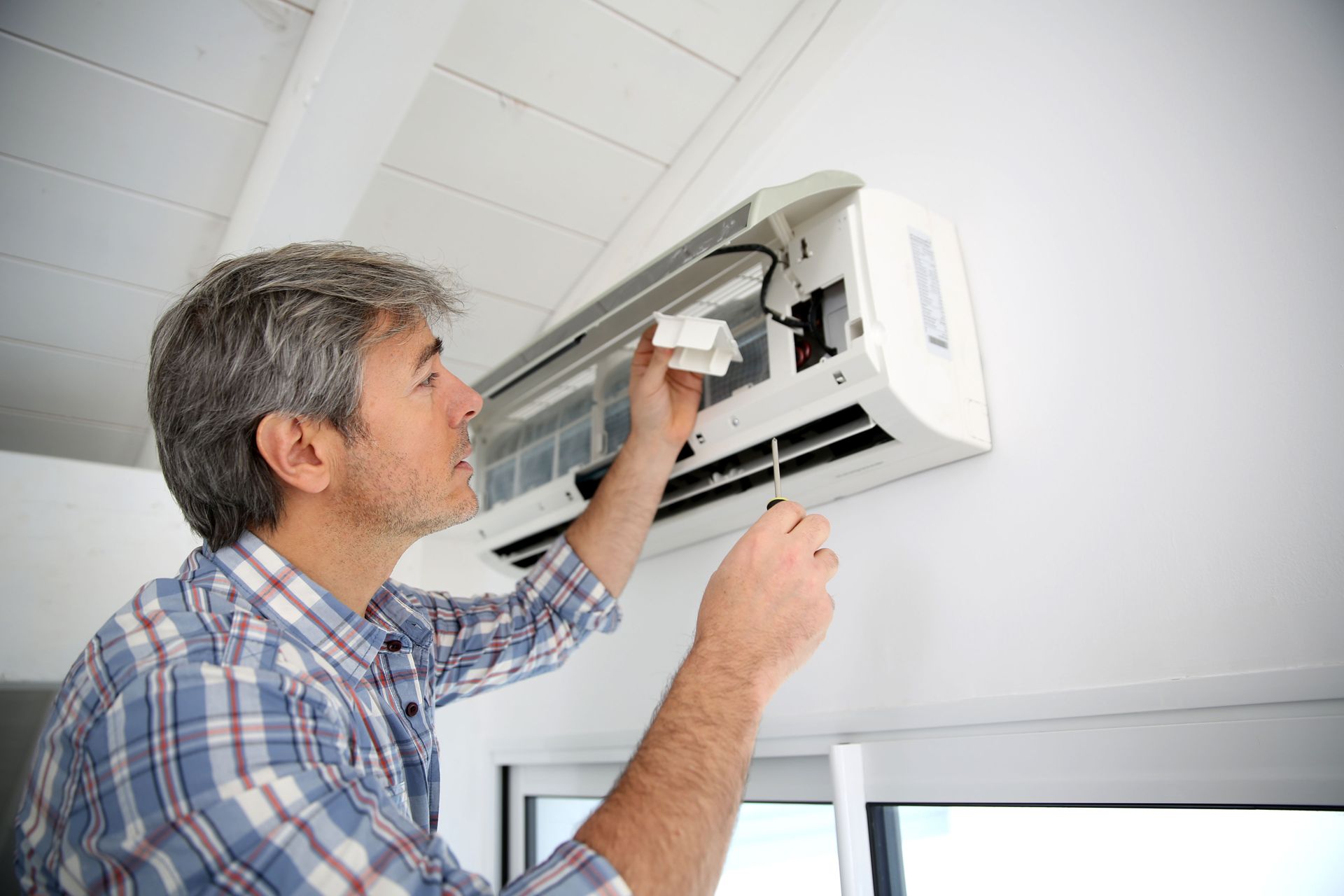
Proper airflow is essential for efficient cooling and consistent indoor temperatures. Technicians examine air filters, accessible ductwork, supply vents, and return registers for restrictions that could interfere with circulation. They may also inspect the blower assembly and evaluate airflow when symptoms indicate a potential problem. Uneven temperatures between rooms may indicate ductwork problems that require further investigation beyond the air conditioning equipment itself.
Refrigerant evaluation is another important part of professional AC repair when cooling performance suggests a charge-related issue. Technicians measure relevant operating conditions and determine whether the refrigerant charge meets manufacturer specifications. If a leak is discovered, the underlying problem should be addressed rather than simply adding refrigerant. Maintaining the correct charge supports effective cooling and helps protect the compressor.
Inspecting Coils and Mechanical Components
Condenser and evaporator coils transfer heat during the cooling process. Dirt accumulation, restricted airflow, and physical damage can reduce their effectiveness. Technicians inspect accessible coil surfaces and determine whether cleaning or additional service is necessary. They may also examine the condenser fan, blower motor, and other mechanical components.
Unusual vibrations, excessive noise, and deteriorating components can indicate developing mechanical problems. Identifying these concerns during the inspection helps technicians recommend appropriate solutions and reduce the likelihood of recurring breakdowns.
Explaining Repair Options and Providing Estimates
After completing the diagnostic evaluation, technicians explain their findings and discuss available AC repair options. Depending on the problem, recommendations may include replacing damaged electrical components, repairing refrigerant leaks, cleaning restricted components, or addressing mechanical failures.
Homeowners should receive an estimate outlining anticipated labor expenses, replacement parts, and additional service charges. When multiple solutions are available, discussing their costs and expected benefits can help homeowners make informed decisions. It is also important to clarify applicable warranties, potential delays, and whether additional work requires separate authorization. Requesting a written estimate gives homeowners an opportunity to review the proposed work carefully before authorizing additional expenses.
Completing Repairs and Following Safety Procedures
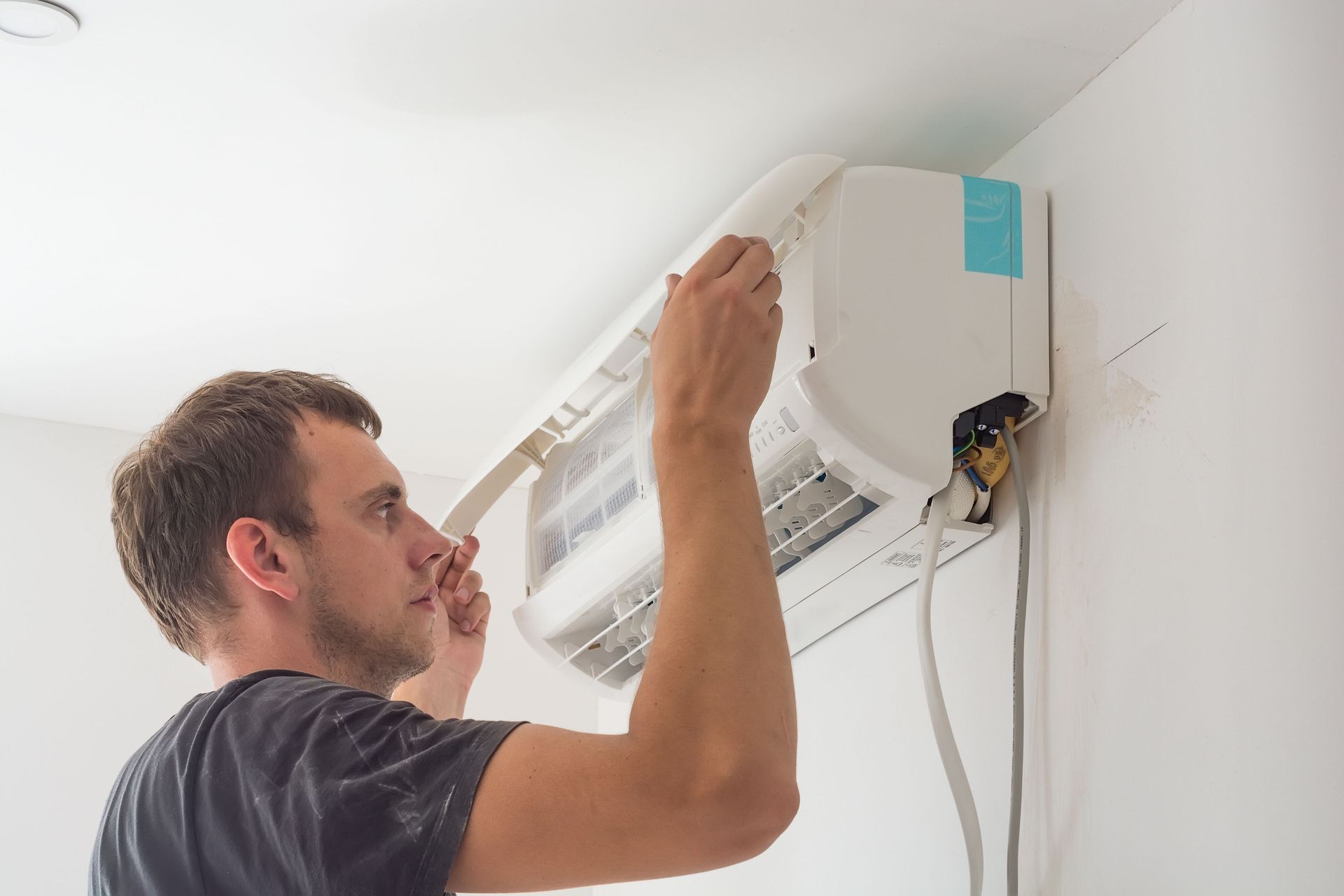
Once the homeowner approves the proposed work, technicians begin the necessary repairs. Some problems can be resolved during the initial appointment, particularly when commonly needed replacement parts are available. More complicated repairs may require specialized components or additional visits.
Professional technicians follow appropriate electrical and refrigerant-handling procedures throughout the service process. They also protect surrounding property and maintain an organized workspace. The duration of an AC repair appointment depends on the nature of the problem, equipment accessibility, and replacement part availability.
Testing the System and Verifying Performance
After completing the repairs, technicians test the cooling equipment to verify that the original problem has been resolved. Depending on the work performed, testing may include measuring temperature differences, checking electrical operation, evaluating airflow, and observing system startup and shutdown cycles.
Technicians should also confirm that repaired components operate correctly and that no additional problems have become apparent. Homeowners can use this opportunity to ask questions about the completed work and request clarification about any remaining concerns. Thorough performance testing helps establish whether the equipment is ready for normal operation.
Reviewing Maintenance Recommendations and Follow-Up Care
Before leaving, technicians typically review the completed AC repair work and provide documentation of replaced components, service charges, and applicable warranty coverage. Homeowners should retain these records for future maintenance appointments and potential warranty claims. Keeping a maintenance log with service dates and technician recommendations can simplify future appointments and support consistent system care.
Technicians may also recommend replacing air filters regularly, keeping outdoor equipment clear of debris, and scheduling periodic maintenance inspections. Additional suggestions might include adjusting thermostat settings or addressing airflow restrictions. Following appropriate maintenance recommendations can improve operating efficiency and help reduce avoidable breakdowns.
Some repairs require follow-up visits to confirm continued performance or complete additional work. Homeowners should clarify whether another appointment is necessary and whom to contact if the original symptoms return.
A professional AC repair appointment involves more than replacing a malfunctioning component. It includes communication, diagnostic testing, safety precautions, repair planning, and performance verification. Understanding these steps allows homeowners to participate confidently in the process and make informed decisions about their cooling equipment. By documenting symptoms, preparing for the appointment, and following recommended maintenance practices, homeowners can support a more efficient service experience. Consistent professional attention also helps maintain dependable cooling, improve indoor comfort, and identify potential problems before they develop into more extensive equipment failures.