July 28, 2026
Regular maintenance of air conditioning systems is critical to ensuring their efficient operation and longevity. Neglecting scheduled maintenance can quickly lead to debilitating issues that are both costly to fix and inconvenient. By understanding the value of routine checks, homeowners can significantly diminish the likelihood of expensive repairs, maximize energy efficiency, and extend the life of their AC units. Not only does this practice enhance user comfort, but it also contributes to better air quality within homes. This article explores the different facets of AC maintenance and how they collectively deter costly AC repairs.
Understanding the Basics of AC Maintenance
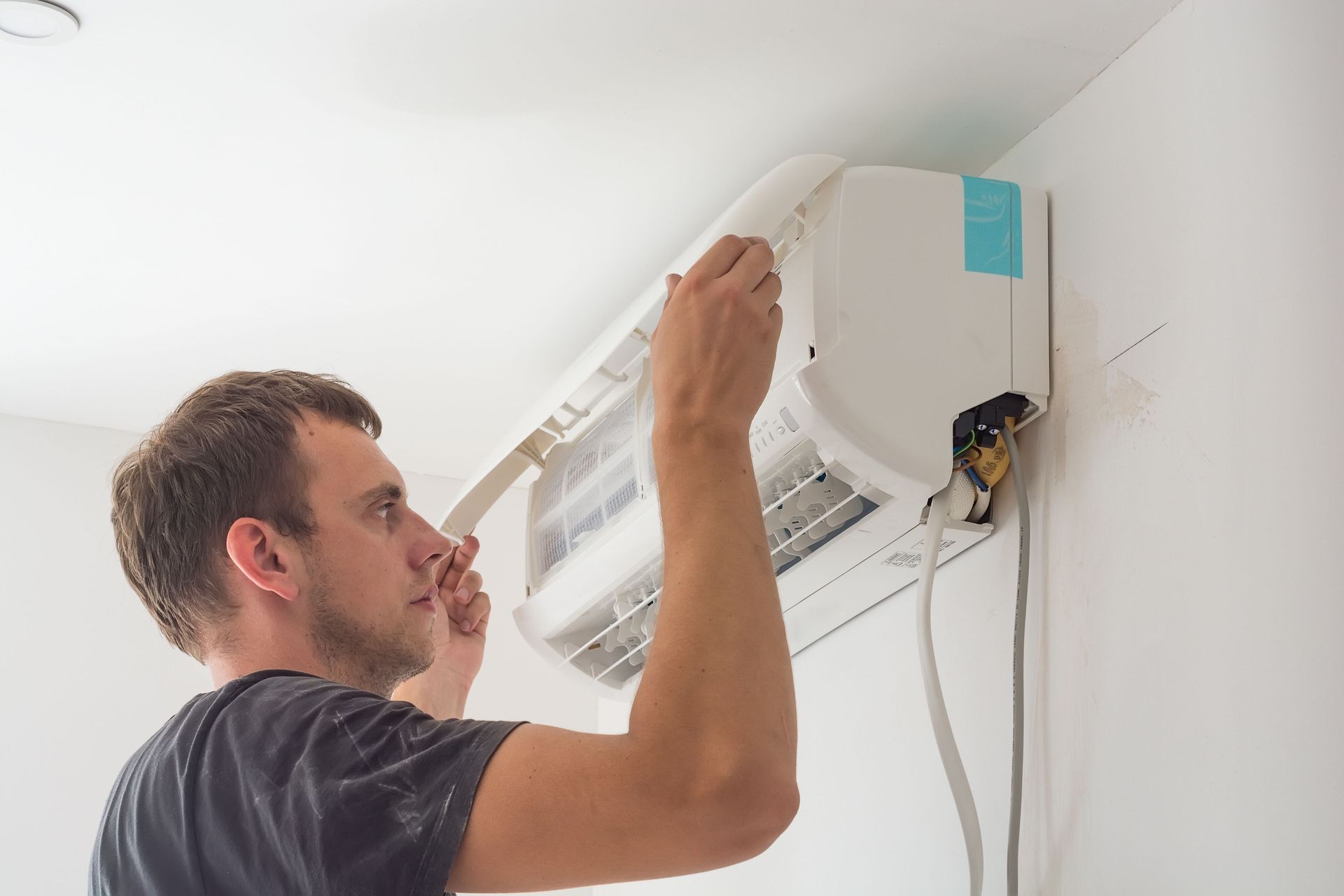
Routine AC checks are the cornerstone of preventive maintenance, offering an opportunity to identify potential problems before they become severe. Regular inspections ensure that components are functioning optimally, which directly impacts the lifespan of the system. Addressing issues early can prevent minor inconveniences from turning into major AC repairs, as air conditioning units are complex systems with numerous interdependent parts. According to the U.S. Department of Energy (DOE), a central air conditioner typically lasts 15 to 20 years, but this is contingent upon consistent maintenance. Therefore, devoting time to routine checks is a proactive measure that can save both money and stress in the long run.
Several critical components require routine inspection to avoid deterioration and ensure efficient operation. The air filter is essential, clogging over time and potentially leading to restricted airflow, resulting in reduced efficiency and increased energy costs. Another vital part is the evaporator and condenser coils, which can become dirty, making the unit work harder than necessary. Inspection of electrical connections and components also prevents potential hazards and ensures the system operates safely. Lastly, checking refrigerant levels is crucial as an improper charge can significantly affect the cooling performance and may damage the compressor.
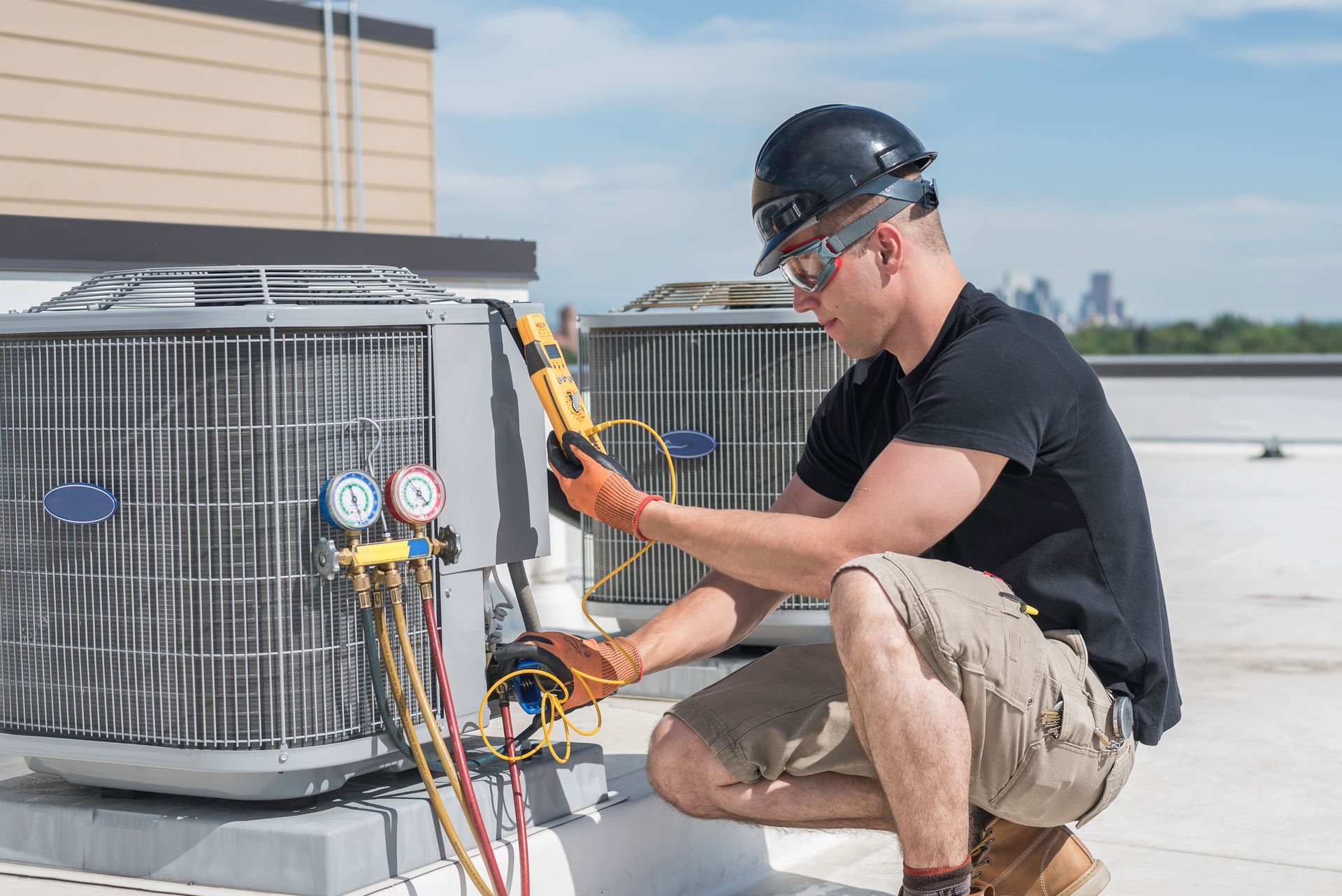
Having the right tools and equipment is necessary for effective AC maintenance and avoiding major AC repairs. A basic toolkit might include a multimeter, used for testing electrical components to identify faulty parts. Coil fin combs are instrumental in straightening bent fins on air conditioning coils, optimizing airflow. Vacuum cleaners or blowers can help remove dust and debris from components, especially around the coils and vents. A reliable thermometer can also be used to ensure the thermostat is accurately reflecting the ambient temperature conditions. These tools are essential for both DIY enthusiasts and professionals conducting maintenance checks.
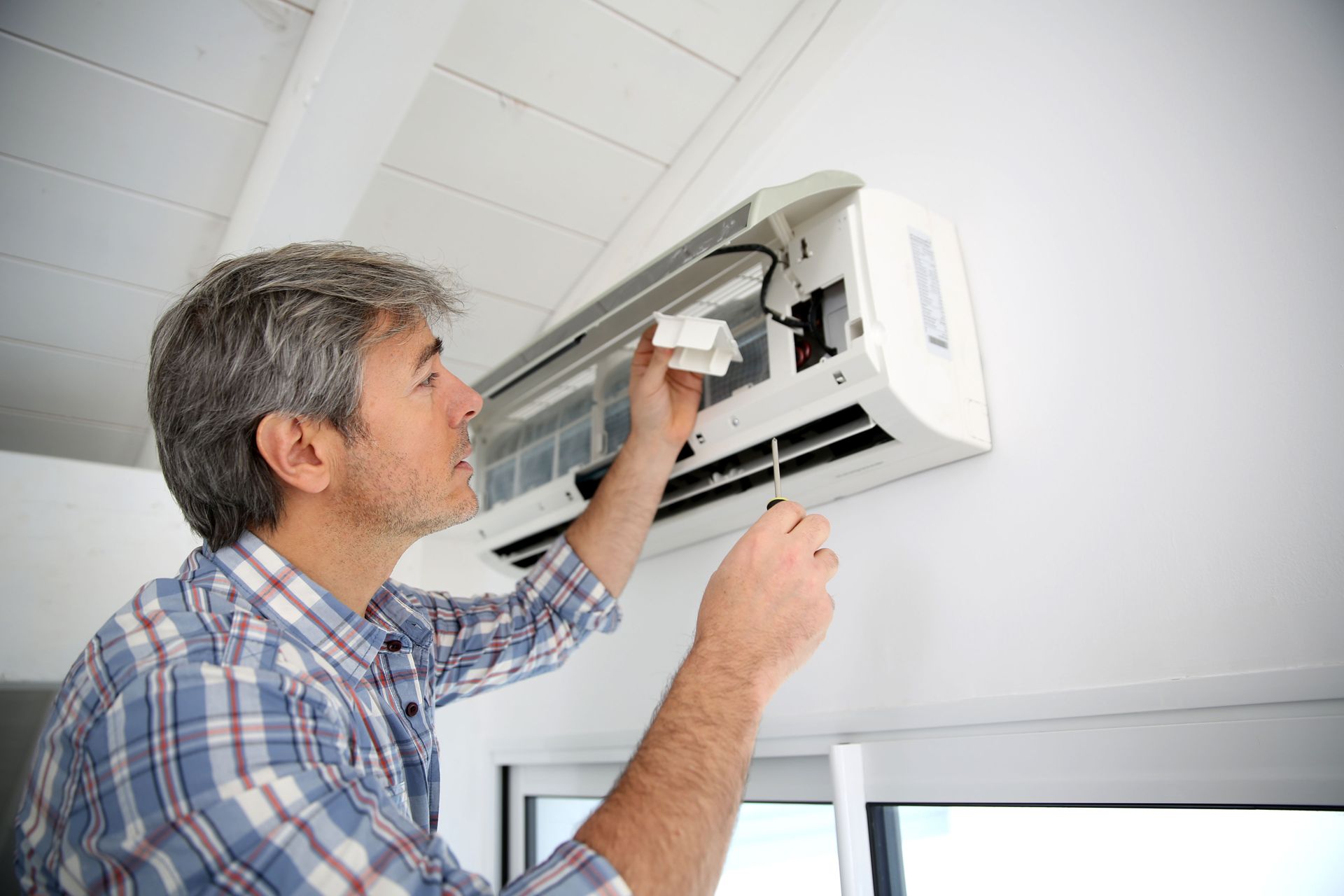
Deciding between hiring professionals or performing DIY maintenance depends largely on skill level, confidence, and the complexity of the task. Professionals bring expertise and the necessary equipment to handle issues efficiently, often identifying problems that may not be evident to the untrained eye. Conversely, DIY maintenance can be effective for routine tasks such as changing filters or cleaning accessible parts, offering cost savings and the satisfaction of self-reliance. However, complex repairs typically require professional attention to prevent unintentional damage. Both approaches have their merits, but understanding one's limits is essential to ensure effective maintenance.
Preventing Common AC Issues
Refrigerant leaks are a common issue that can significantly impact an air conditioner's performance. These leaks, often resulting from wear and tear or improper installation, reduce the system's ability to cool effectively. Identifying and addressing these leaks promptly is crucial, as low refrigerant levels can lead to overheating and compressor failure. In addition to diminishing the unit's efficiency, refrigerant leaks can be harmful to the environment, necessitating swift and professional intervention. Regular maintenance checks that include inspecting refrigerant lines can mitigate this issue and ensure the unit operates efficiently.
Electrical failures in AC systems can pose significant safety hazards and lead to costly repairs if not addressed promptly. Issues such as faulty wiring, blown fuses, or tripped circuit breakers can result in system malfunctions. Regular inspections of wiring and electrical components are crucial for preventing such failures. Ensuring that all connections are tight and free from corrosion can preserve the integrity of the electrical system. If signs of electrical failure are detected, such as frequent system shutdowns or unexplained power interruptions, it is advisable to consult a professional to diagnose and fix the problem.
Sensors play a pivotal role in the functioning of an AC unit, and their failure can lead to inefficient operation and costly AC repairs. Problems typically occur when sensors are misaligned or knocked out of position, causing erratic system behavior. Regular inspection and adjustment of sensors help ensure accurate temperature readings and system responsiveness. Missing or faulty sensors can impede the unit's ability to regulate temperature, often resulting in undesirable fluctuations. Engaging a professional to periodically check and calibrate these components can prevent sensor-related issues and assure optimal system performance.
Extending the Lifespan of Your AC Unit
Air filters are one of the most important components in maintaining an efficient AC system, directly affecting both air quality and system performance. Dirty or clogged filters restrict airflow, causing the system to work harder, leading to increased energy usage and potential overheating. According to the U.S. Department of Energy (DOE), replacing or cleaning air filters every one to three months can significantly enhance the efficiency and longevity of the system. In addition to energy savings, regular filter maintenance contributes to healthier indoor air quality, reducing allergens and pollutants. By prioritizing filter care, homeowners can ensure optimal system operation and extend the system’s lifespan.
Coil cleaning is a critical aspect of regular air conditioning unit maintenance, directly influencing system efficiency. Over time, evaporator and condenser coils accumulate dirt and debris, impeding heat transfer and making the unit work harder to cool a space. Periodic cleaning of these coils ensures that the system operates smoothly and reduces the risk of overexertion and associated wear. Neglecting coil maintenance can lead to costly repairs or replacement needs, diminishing overall system lifespan. Maintenance professionals typically recommend annual coil inspections and cleaning to maintain optimal unit performance and maximize energy efficiency.
Ensuring proper airflow within an AC system is vital for maintaining operational efficiency and preventing component strain. Restricted airflow can result from obstructed vents, clogged filters, or improperly sized ducts, each contributing to diminished performance and increased energy consumption. Regular maintenance should include checking and clearing any blockages from air vents and registers to optimize air distribution. Additionally, ensuring ductwork is adequately sealed and sized enhances airflow and prevents unnecessary system strain. By maintaining proper airflow, the risk of systemic issues and shortened lifespan can be effectively mitigated.
Saving Money Through Energy Efficiency
Energy ratings are a crucial factor in evaluating the cost-effectiveness of an air conditioning system. Higher energy-rated units are more efficient, resulting in lower utility bills and reduced environmental impact. Understanding the Seasonal Energy Efficiency Ratio (SEER) and Energy Efficiency Ratio (EER) helps consumers make informed decisions when purchasing new systems. Regular maintenance plays a role in maintaining energy efficiency by ensuring that all parts function optimally. Continuously optimizing and maintaining system efficiency enables homeowners to capitalize on energy savings and extend the useful life of their AC systems.
Seasonal tune-ups are essential in preparing an air conditioning unit for peak operational periods and avoiding costly
AC repairs. These tune-ups involve comprehensive inspections and servicing to ensure the system is ready to meet seasonal demands. Pre-season maintenance can identify and rectify potential issues, such as refrigerant leaks, worn parts, or cleaning requirements, that could otherwise compromise performance. Conducting tune-ups in spring, before the cooling season begins, enables early detection of problems, ensuring reliability when the system is needed most. Regular seasonal maintenance minimizes the risk of breakdowns and maximizes energy efficiency throughout the year's peak cooling months.
Proper insulation and duct sealing significantly enhance the energy efficiency of an air conditioning system. Well-insulated homes retain cooled air longer, reducing the need for the AC to cycle frequently, thereby saving energy. Sealing ductwork ensures that cooled air is delivered efficiently without losses through leaks, ensuring even distribution throughout the home. Regular inspections to check insulation integrity and duct seals prevent energy waste and improve system performance. Investing in improved insulation and comprehensive duct sealing can result in substantial energy savings and extend system lifespan by reducing operational stress. Contact Climax Heating and Cooling today for more information.