January 27, 2026
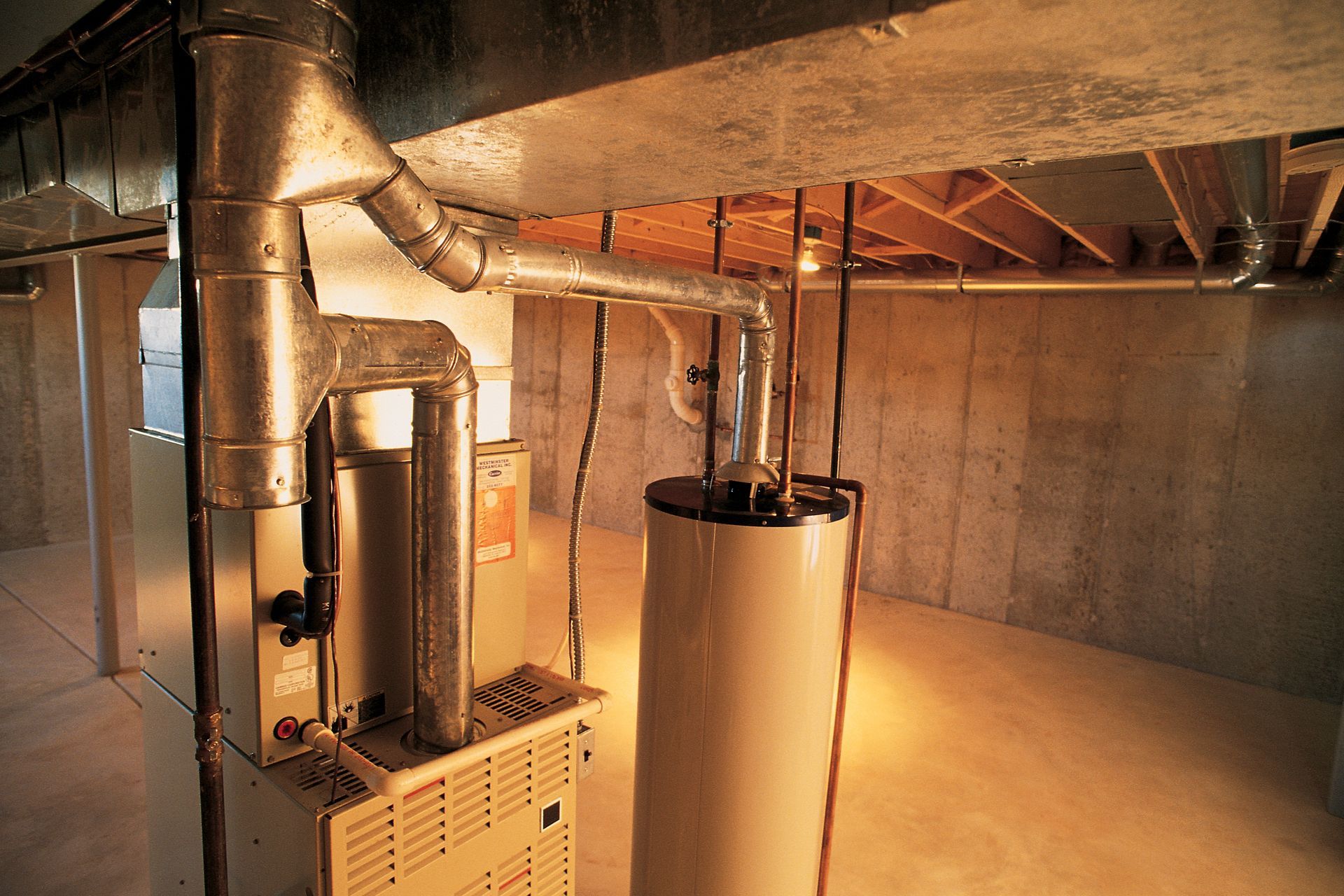
Knowing when your furnace is no longer meeting your home’s needs can help you avoid costly breakdowns, rising energy bills, and inconsistent heating. An outdated furnace often shows subtle warning signs long before it fails. Because your furnace plays a vital role in maintaining comfort during colder months, recognizing these signs early allows you to plan furnace repairs or replacement on your own terms. This guide walks you through the most common indicators of an aging furnace, helping you evaluate its performance and efficiency. With the right information, you can make confident decisions that support comfort, reliability, and long-term savings in your home.
Monitor Rising Energy Bills
One of the most obvious signs that your furnace may be outdated is a noticeable increase in your energy bills. As furnaces age, they often become less efficient, resulting in higher energy consumption to maintain the same level of warmth. According to the Department of Energy, HVAC systems, including furnaces, represent over 50% of the total energy use in U.S. residential and commercial buildings. Monitoring your monthly energy expenses and noticing a trend of increasing costs could signal that your furnace is consuming too much energy.
Fluctuations in energy costs might not always correlate with equipment failure, but can certainly indicate inefficiencies within the system. An old furnace that is struggling to heat your home will definitely demand more energy, leading to inflated bills. Working with a professional for furnace repairs can sometimes address these issues, but if the problem persists, it may be time to consider upgrading to a more efficient model.
The good news is that investing in a modern furnace can significantly reduce your energy expenditures. Newer models are designed with energy efficiency in mind, providing better heating while utilizing less power. Ultimately, the upfront investment in a new furnace can quickly be offset by the savings on your energy bills.
Evaluate Frequent Repair Needs
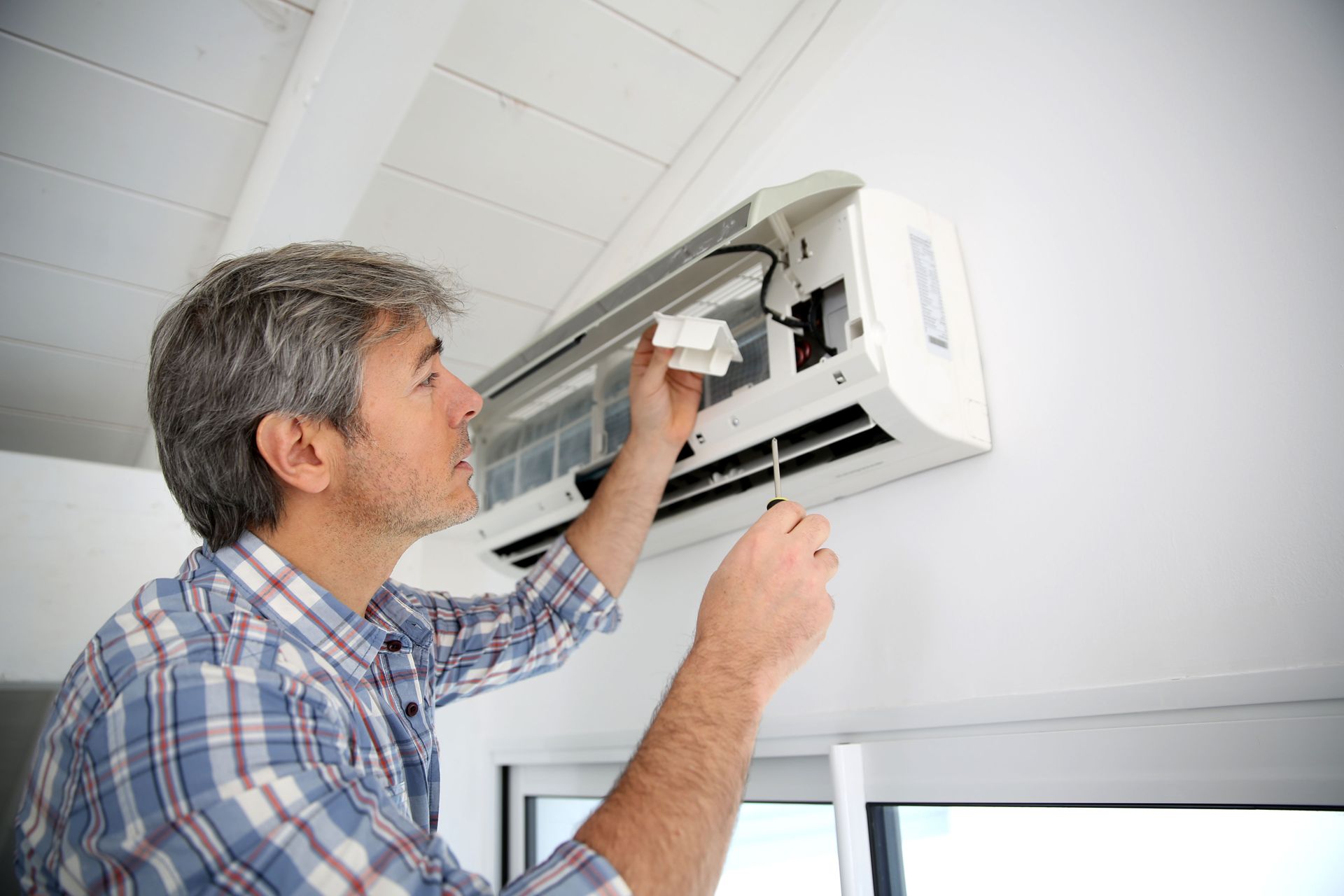
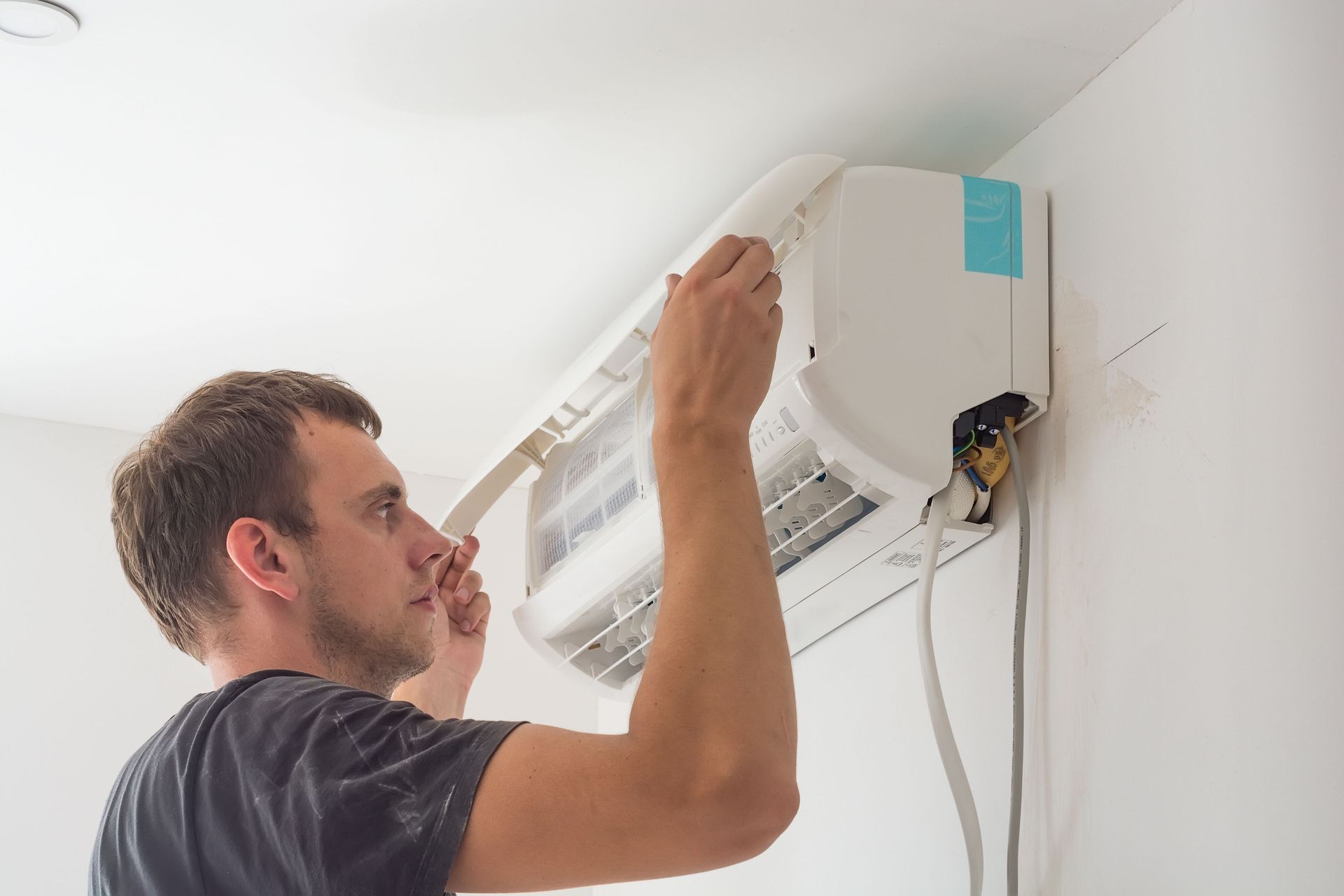
The need for frequent furnace repairs is another clear indicator that your furnace may be nearing the end of its lifespan. Experiencing multiple breakdowns each season not only causes inconvenience but also takes a toll on your wallet. As a furnace ages, its components may start to wear out and require replacement, leading to continuous repair costs. This is especially true if the same issues recur even after repairs have been made.
If you find yourself regularly calling a technician for furnace repairs, it might be more cost-effective to invest in a new system rather than continuously patching up your existing one. Modern units often come with warranties and improved designs that reduce the need for frequent repairs. Moreover, manufacturing technology has advanced significantly over the years, leading to more reliable and durable systems.
While repair costs can add up quickly, replacing your furnace ensures stability and reliability in heating your home. Opting for a new furnace can prevent these repeated expenses, providing peace of mind and consistent heating throughout the cold season. It is important to weigh the ongoing cost of repairs against the benefits of a new, energy-efficient furnace.
Identify Uneven Heating Throughout Your Home
An outdated furnace may struggle to heat your home consistently, resulting in cold spots and uneven temperatures. This inconsistency could mean that your furnace is no longer able to circulate warm air effectively. Rooms that remain cold while others are warm indicate that your furnace is not delivering uniform heating, likely due to efficiency loss or deteriorating components. The failure to maintain a consistent temperature can be frustrating and uncomfortable, especially during severe winters.
Furnace repairs might address short-term problems related to uneven heating, but chronic issues indicate a more significant problem. The ductwork, blower, or general furnace inefficiency could contribute to these discrepancies. Ensuring all parts of your home receive adequate heat requires a furnace in good working order and occasionally, an upgrade.
Modern furnaces use advanced technology to maintain consistent indoor temperatures and distribute heat evenly throughout the home. By upgrading your heating system, you can enjoy a more comfortable and consistent environment without the worry of drafts or cold spots. Investing in a new furnace can resolve these heating issues and significantly enhance the overall comfort of your home.
Listen for Unusual or Excessive Furnace Noises
Furnaces typically produce a certain level of noise during operation, but unusually loud or strange sounds can be a red flag. Persistent banging, rattling, or squealing noises could suggest that components are starting to fail or are in need of maintenance. Over time, these sounds might become more frequent and louder, indicating that your furnace is struggling to function properly.
While some noises might be resolved through basic furnace repairs or maintenance, recurring issues often point to a more severe problem with the system. Such sounds may originate from worn bearings, loose belts, or failing motors, all requiring attention to prevent further damage. Addressing these concerns early on can prevent further complications and ensure your furnace remains functional.
An outdated furnace may simply be unable to run smoothly, resulting in continuous noise disruptions. Choosing to upgrade to a quieter, more efficient model can drastically improve your home’s ambiance, removing the persistent distractions associated with an aging system. Newer furnaces are designed to operate with minimal noise, enhancing comfort and tranquility in your living space.
Consider the Age of Your Furnace
Finally, the age of your furnace is a critical factor in determining whether it needs replacing. From our experience, most furnaces have a lifespan of about 15 to 20 years, after which their efficiency and performance can significantly decline. An aging furnace may not perform at its highest capacity, leading to increased energy use and frequent breakdowns. Older systems are also more likely to lack modern safety features and energy-saving technology found in newer models.
Regular maintenance can extend the life of your furnace, but there comes a point when continuous furnace repairs no longer justify the investment. If your furnace is approaching or has surpassed this age threshold, it might be time to consider a replacement. Newer models not only offer enhanced energy efficiency but also come with advanced features that improve overall system performance. Replacing an aging system can reduce the risk of unexpected failures during peak heating seasons.
Upgrading an outdated furnace can result in substantial energy savings and improved home comfort. Opting for a modern, high-efficiency furnace can lead to significant reductions in your energy bill and environmental footprint. Ultimately, replacing your aging furnace with a new model represents an investment in long-term efficiency and reliability, ensuring comfort within your home for years to come. This upgrade can also increase your home’s overall value and appeal to future buyers.
Recognizing the signs of an outdated furnace can help you maintain a comfortable, energy-efficient home while avoiding unexpected furnace repairs and rising heating costs. Issues such as frequent repairs, uneven temperatures, unusual noises, increasing energy bills, and an aging system often indicate that your furnace is no longer performing efficiently. While maintenance and minor repairs can extend a furnace’s lifespan, upgrading to a modern, high-efficiency model may offer greater long-term savings, improved comfort, and reliability. Staying proactive and consulting a heating professional when concerns arise allows you to make informed decisions that protect both your home and your budget. Reach out to Climax Heating and Cooling to learn more about our services today!